
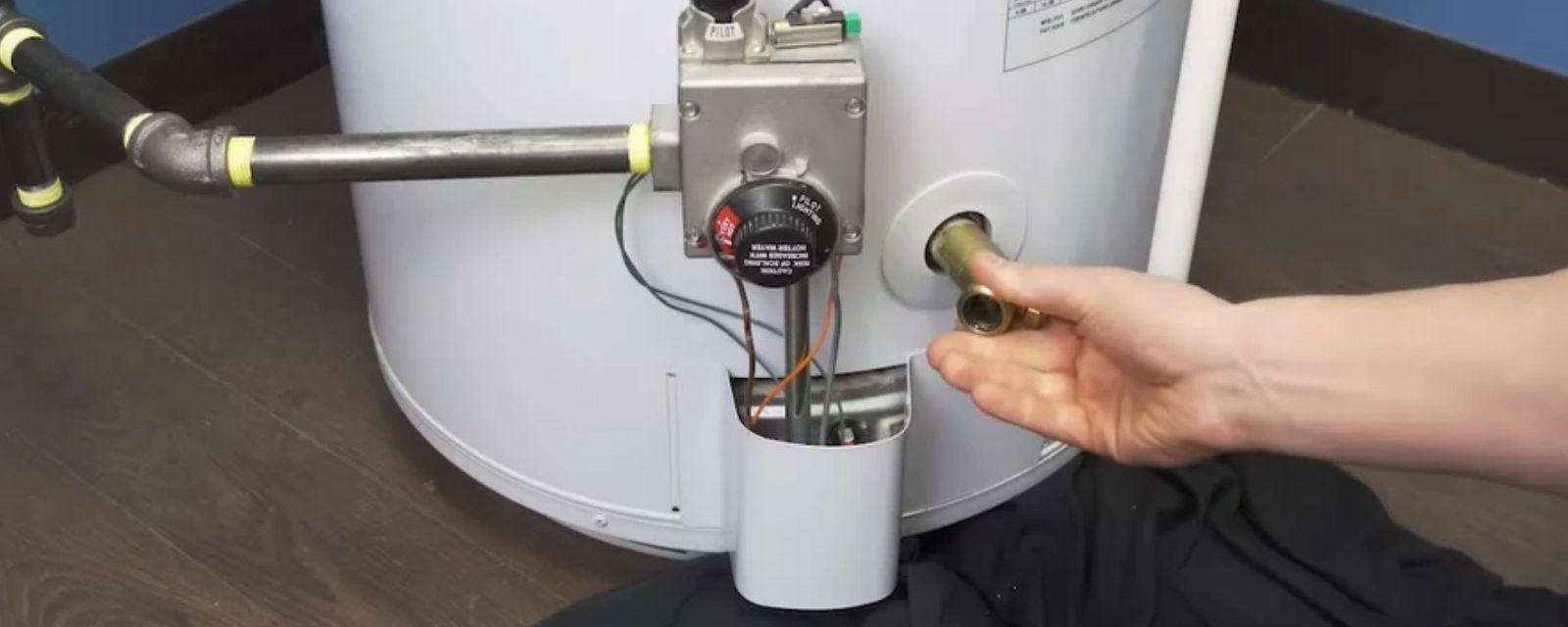
What a Temperature and Pressure Relief Valve Does
The temperature and pressure relief valve, often called the T&P valve, sits on the side or top of the tank. It opens when the water gets too hot or the pressure gets too high, and it lets water out through a pipe so the tank does not fail. A valve that never opens when needed is a hazard, and a valve that opens when it should not is a nuisance with a cause.
The discharge pipe from the valve should run to a safe place. Never cap or plug the valve or its pipe. A blocked valve defeats the safety purpose.
Why a Relief Valve Drips
Thermal expansion
Heated water expands. In a closed system with a check valve or pressure reducing valve, the pressure rises with nowhere to go. An expansion tank fixes this.
High incoming pressure
City pressure above the safe range pushes the valve open.
Thermostat set too high
Water above the rated temperature opens the valve.
Sediment or scale on the valve seat
Minerals keep the valve from seating and cause a slow drip.
A worn or failed valve
Valves wear out, especially after many cycles.
How to Test the Valve and What the Result Means
Test only if the valve is accessible and the discharge pipe is in place. Wear gloves, because the water can be very hot.
- Place a bucket under the discharge pipe.
- Lift the test lever slowly and let water flow for a few seconds.
- Let the lever snap back. The flow should stop.
- If water keeps dripping, the valve is not seating and needs to be replaced.
Valve dripping for days?
Call and tell us the age of the heater and whether there is an expansion tank.
Replace the Valve or Fix the Cause
Replace the valve when
- The valve is old and drips slowly.
- There is no sign of high pressure.
- The test lever does not reseat.
- The tank is otherwise healthy.
Fix the cause when
- The valve drips with every heating cycle.
- Pressure is above the safe range.
- There is no expansion tank on a closed system.
- The thermostat is set too high.
Why an Expansion Tank Matters
Many homes have a check valve or a pressure reducing valve at the main. That makes the plumbing a closed system, and the expansion of heated water has nowhere to go. An expansion tank is a small tank with an air cushion that absorbs the extra volume.
If your valve drips right after the burner or element runs, thermal expansion is the likely cause. A new valve alone will fail again until the system has room to expand. We check pressure with a gauge and size the tank to your heater.
What Not to Do With a Leaking Relief Valve
Do not cap the discharge, plug the valve or tighten the lever to stop a drip. Those steps remove the safety function. Do not turn the thermostat to the lowest setting and leave it, since low temperatures can allow bacteria to grow in the tank.
If the discharge is a steady flow, or if water coming out is scalding, turn off the gas or power, close the cold supply and call. See water heater repair for how we handle it.
The Discharge Pipe Is Part of the Safety System
The pipe that runs from the relief valve must go downward and end where hot water can be seen and can do no harm, such as near a floor drain or outside. It must not be capped, threaded at the end or reduced in size. A pipe that ends in a bucket or a closed space invites trouble.
If your valve has no pipe, or the pipe ends against a wall, ask a plumber to fix it. It is a quick change that makes a real difference if the valve ever opens fully.
How Old Is Too Old for a Valve
A relief valve is a wearing part. Many are replaced when the heater is replaced, and some are replaced every few years as a precaution. A valve that has not moved in a decade may stick closed, which defeats its purpose.
If your heater is old and the valve has never been tested, bring it up the next time a plumber is in the house. A new valve costs little compared with the tank it protects.
Relief Valves in Short
If you remember only a few things from this guide, remember these.
- A dripping valve is a warning, so find the cause.
- Thermal expansion and high pressure are common, and an expansion tank often fixes them.
- Never cap the valve or its discharge pipe.
- A permit and inspection check the valve when a heater is replaced.
The Standard Behind the Relief Valve
The International Plumbing Code (IPC) requires a temperature and pressure relief valve on a storage water heater. The discharge pipe must run downward, must not be reduced and must not have a valve in it. Relief valves are made to published standards such as ANSI Z21.22.
According to the code, a valve that drips is still doing a job, which is why the cause matters more than the drip.
Evans Inspections and the Relief Valve
When a water heater is replaced in Evans, the work needs a permit, and the inspector checks the relief valve and its discharge pipe. You can reach the city inspection line at 970-674-1036, and requests before 4 pm are scheduled for the next business day. That is another reason to pull the permit, since an inspection catches a missing drain or a wrong pipe type.
Greeley also requires permits for water heaters, so the same step applies on the other side of the border. See water heater replacement, emergency plumbing in Greeley and our service area.
Source: City of Evans and City of Greeley building department pages