
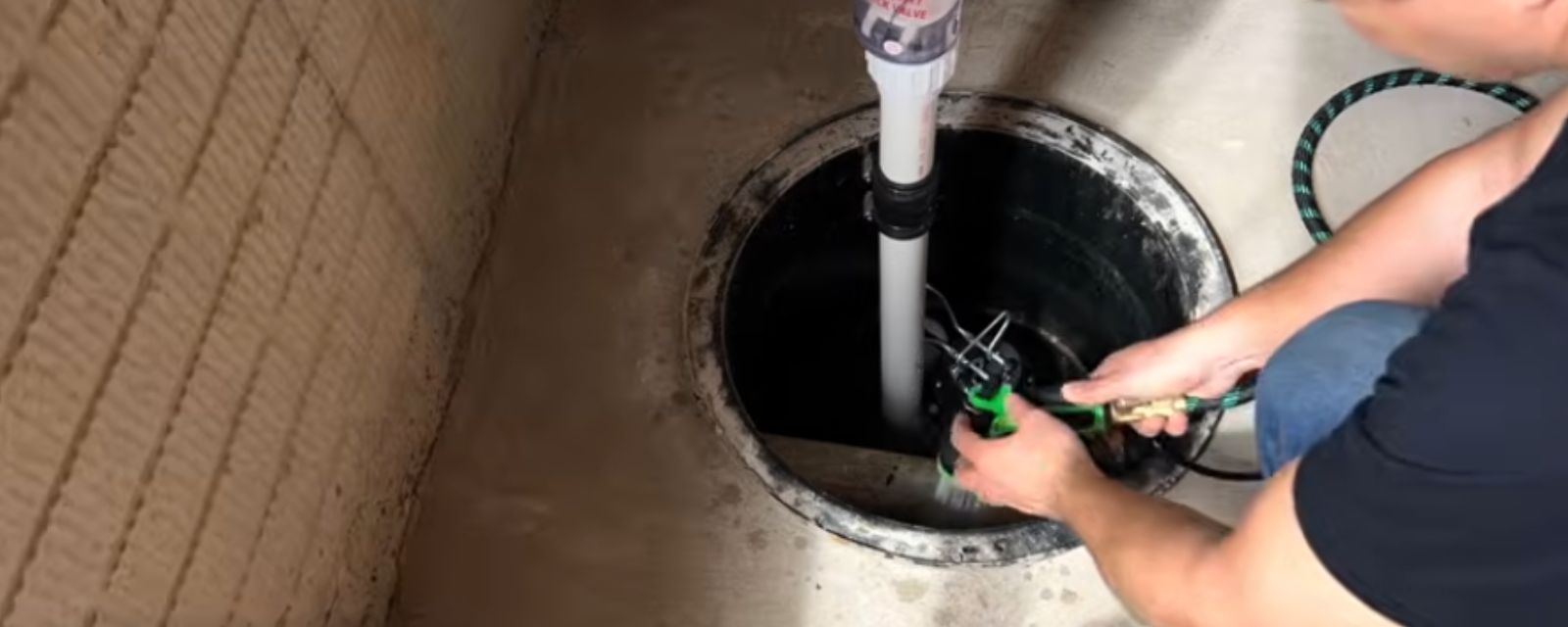
What a Sump System Does
A sump is a pit in the lowest part of the basement or crawlspace. Water that collects around the foundation drains into the pit, a float rises, and the pump switches on and sends water out through a discharge pipe. A check valve in the pipe keeps the water from running back.
Every part can fail. The float can stick, the switch can wear, the impeller can jam with grit, the motor can burn out and the check valve can fail. Knowing the parts helps you describe the problem to a plumber.
Common Sump Pump Problems and Causes
Pump will not start
No power, a tripped GFCI, a stuck float or a dead switch or motor.
Pump runs constantly
A stuck float, a failed check valve or high groundwater.
Pump runs but moves little water
A clogged intake, a worn impeller or a blocked discharge.
Loud grinding or rattling
Debris in the pit or a failed bearing.
Rapid on and off cycling
A check valve allowing backflow, or a pit too small for the pump.
Pump is old
Most pumps wear out in a number of years, and sooner if they run a lot.
A Five-Minute Test Before the Storm
Do this each spring and before a forecast of heavy rain.
- Check that the pump is plugged into a working GFCI outlet.
- Pour a few buckets of water into the pit until the float rises.
- Watch the pump start, empty the pit and shut off.
- Check the discharge outside to see that water flows away from the house.
- Clean out debris from the pit and the intake screen.
Pump failed the test?
Call and tell us what you saw. If a storm is coming, say so and we will prioritize it.
Repair or Replace the Pump
Repair when
- The pump is young.
- The fault is a switch, a float or a check valve.
- The motor is sound.
- The pit is clean.
Replace when
- The motor is burned out.
- The pump is more than about seven to ten years old.
- It has been repaired already.
- The inflow has outgrown the pump.
Why a Backup Pump Is Worth Planning
Storms that fill a pit often cut the power. A battery backup pump runs on a deep-cycle battery and takes over when the main pump or the power fails. A water-powered backup works from the city supply, if the system allows it.
A backup is only as good as its maintenance. Test the battery, replace it on schedule and run the backup pump when you test the main one. See sump pump repair for how we install and check backups.
Where the Water Goes Matters
A pump that moves water ten feet from the house and onto a downhill slope is doing its job. A pump that dumps water next to the foundation puts it right back into the pit. In winter, a discharge that ends in a pipe can freeze solid and send water back.
Keep the discharge clear of snow, extend it away from the foundation and make sure it has a place to drain. If it runs to a neighbor or a street, check local rules first.
Choosing the Right Pump Size
A pump has to move more water than flows into the pit during the worst storm. A pump that is too small runs constantly and fails early, and one that is too large cycles on and off and wears its switch. The right size depends on the inflow, the lift to the discharge and the pipe size.
We measure how fast the pit fills and how high the water must go, and we choose a pump that suits both. We also check the pit size, since a pit that is too small makes any pump cycle too often.
A Simple Maintenance Routine
Test the pump in spring and fall. Clean the pit and the intake screen, check the discharge pipe and run the test with a few buckets of water. Replace the backup battery on the maker's schedule and test it by unplugging the main pump.
Write the date of each test on a note near the pit. If you ever call a plumber, the note tells them how the pump has behaved.
Sump Pumps in Short
If you remember only a few things from this guide, remember these.
- Test the pump each spring and before a storm.
- Most failures are a stuck float, a failed check valve or an old motor.
- A battery backup covers the power outages that come with storms.
- Keep the discharge clear of snow and pointed away from the house.
Electrical and Plumbing Rules for Sump Pumps
The National Electrical Code (NEC) calls for ground-fault protection on outlets in damp locations such as a basement, and the International Plumbing Code (IPC) calls for a check valve on the discharge line. Both are common failure points.
According to those rules, a pump that is plugged into an unprotected outlet or has no check valve is not set up to code.
Homes Near the River Should Treat the Pump as Essential
Riverside Park, at 4000 Riverside Parkway, covers 101 acres along the South Platte, and the river runs through the heart of the city. Low ground near the river holds more groundwater than land higher up, so a home near a river park is more likely to need a pump that works. Treat a backup pump as part of the basic setup, not an extra.
The South Platte passed its 10 foot flood stage at Evans within 12 hours of the 2013 evacuation request, and the city later adopted a floodplain building pause. Before changing drainage near the river, check with the city. We serve Evans and Greeley, and the service area page lists nearby towns.
Source: City of Evans parks page and Colorado resiliency page on the 2013 flood