
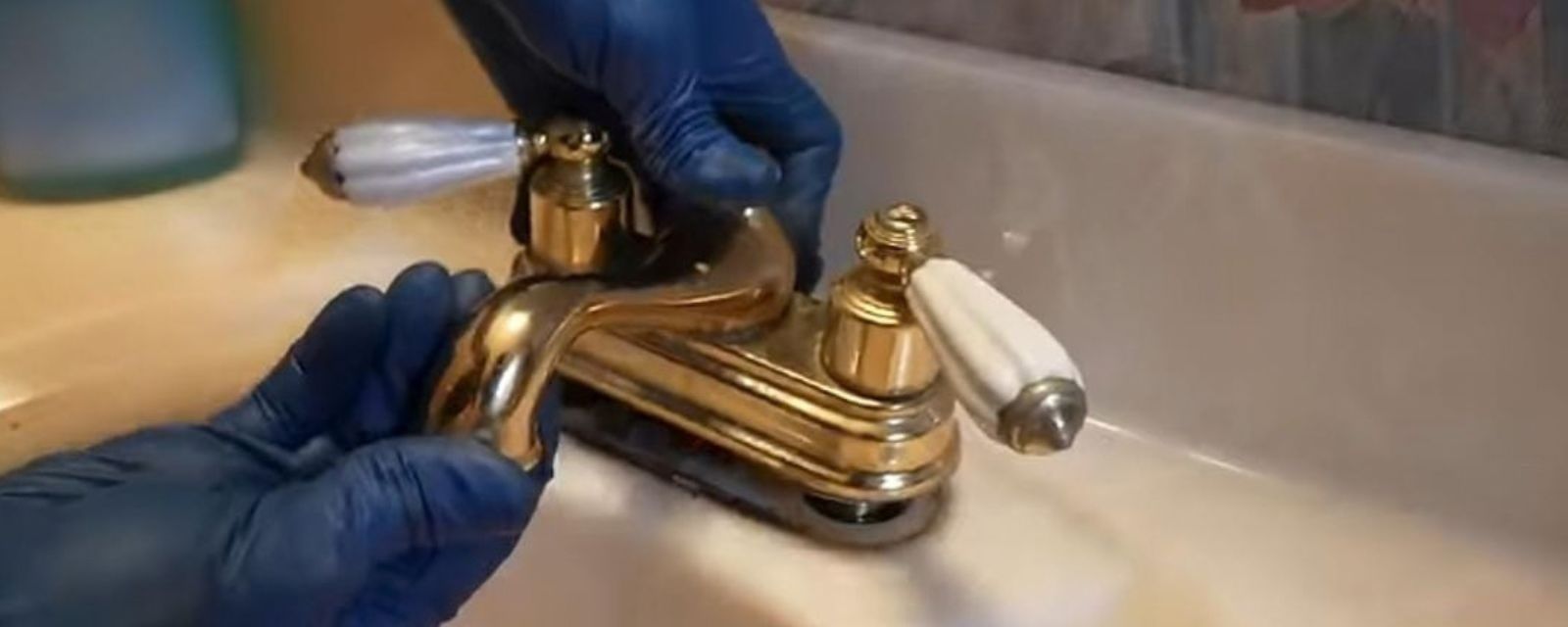
Four Faucet Designs and How Each Fails
Compression faucets
Older two-handle faucets use rubber washers that wear out. A worn washer or seat causes a drip.
Cartridge faucets
A cartridge controls flow and temperature. A worn cartridge or O-rings cause drips and leaks at the handle.
Ball faucets
Common on kitchen faucets and some bath models, with several small parts that wear and need a kit.
Ceramic disc faucets
Discs seal very well and last long, but a cracked disc or a worn seal leaks.
What Decides the Price of Faucet Repair
The part
A washer, an O-ring or a cartridge ranges from small to moderate in cost.
Brand and age
Common brands have easy parts. Rare or discontinued models take longer.
Corroded fittings
Seized handles and stuck nuts take extra time.
Shutoff valves
If they will not close, they need replacing before the repair.
Time of day
After-hours calls cost more than scheduled visits.
Repair versus new faucet
A new faucet adds the fixture and removal of the old one.
When to Repair and When to Replace
Repair when
- The faucet is a recent model.
- Parts are easy to get.
- The finish is in good shape.
- The leak is at the cartridge or washer.
Replace when
- The body is corroded or pitted.
- Parts are no longer made.
- You have repaired it more than once.
- You want a better flow or finish.
Not sure what faucet you have?
Send a photo or tell us the brand. It helps us quote accurately.
What You Can Try Yourself
Many drips can be fixed with a simple kit. Turn off the shutoff valves under the sink and open the faucet to relieve pressure. Plug the drain so no small parts fall in. Remove the handle, take out the cartridge or washer and bring it to a hardware store to match.
Take a photo at each step so you can put it back together. If the handle will not come off, or the parts look corroded, stop. Forcing a seized faucet can crack the body and turn a repair into a replacement.
The Shutoff Valves and Supply Lines Matter Too
The faucet is only part of the system. Old shutoff valves are often stiff or leaky, and braided supply lines wear out. A valve that will not close cannot isolate the faucet, and a leaking line wastes water inside the cabinet.
We test every valve during a repair and tell you which ones are tired. Replacing a bad valve and a supply line at the same visit often costs less than a second trip. See faucet repair for what we check.
How Water Quality Affects Faucet Life
Mineral buildup clogs aerators and wears seals. Chlorine and other disinfectants can degrade rubber parts over time. A faucet in a home with hard water may need its cartridge replaced sooner than one with soft water.
If your faucet clogs repeatedly or leaves scale, test your water. A water softener can extend the life of fixtures, though it is not needed in every home.
Which Parts Wear Out and in What Order
Faucets fail in a predictable order. Rubber washers and O-rings wear first, often within a few years in a busy bathroom. Cartridges follow, then seats and springs. The body of a good faucet lasts decades, which is why repair is often worth it.
If the same faucet needs a new cartridge every couple of years, check the water for grit or scale. Both wear the seals, and a small filter or a softener may solve the cause instead of the symptom.
If You Decide to Replace the Faucet
Measure the sink before you shop. Count the holes in the sink or counter and measure the distance between the outside holes. A faucet made for three holes will not fit a single hole without a cover plate, and a wide-spread faucet will not fit a small sink.
Choose a faucet with a solid brass body and a ceramic disc or cartridge from a maker that sells replacement parts. A cheaper faucet with parts you cannot buy turns the next repair into another replacement.
Leaks That Are Not the Faucet
Water under a bathroom sink does not always come from the faucet. The drain, the pop-up assembly, the supply lines and the shutoff valves all leak. Dry the area, run water for a minute and watch where the first drop appears.
If the leak is at the drain or the supply line, replacing the faucet will not stop it. A plumber can find the source in a few minutes and save you the cost of the wrong part.
Faucet Repair in Short
If you remember only a few things from this guide, remember these.
- Most drips come from a worn cartridge, washer or O-ring, which are modest parts.
- Shutoff valves and supply lines under the sink are worth checking at the same visit.
- Repair a faucet with good bones, and replace one that is pitted, corroded or has no parts available.
- Ask for the price before work starts, and ask what the quote covers.
Standards for Faucets and Fittings
Faucets are tested to industry standards such as ASME A112.18.1, and drinking water contact parts are tested to NSF/ANSI 61 for materials safety. Buying a faucet that lists these helps ensure it meets the published guidelines.
The International Plumbing Code (IPC) also sets the maximum flow for a lavatory faucet, which is why modern faucets have aerators.
What We Know About Evans Water and Your Fixtures
Evans buys treated surface water from Greeley, and the disinfectant is chlorine. Hardness is not published in the reports we reviewed, so we do not claim your water is hard or soft. A simple test strip or a call to your water utility tells you, and that tells you how often to check aerators and cartridges.
If you see white scale on the aerator, clean it with vinegar and check again in a month. We serve Evans and Greeley, and the service area page lists the towns nearby.
Source: Evans water quality report and Greeley water report